


Glass Pigments
Your Professional Inorganic Pigment Supplier
FULLN Company, a leading manufacturer situated in the vibrant city of Foshan, China. Specializing in the production of Complex Inorganic Color Pigments (CICP), we pride ourselves on delivering top-quality pigments that redefine the possibilities of color in the products. With a commitment to innovation, precision, and excellence, FULLN is your reliable partner for vibrant and durable color solutions that elevate the aesthetics of products. Explore the limitless potential of CICP with FULLN, where color meets durability, and creativity knows no bounds.
What are advantages of Glass Pigment?
Advantages of FULLN Chemical Co., Ltd.:
1.24 years manufacture Experience.
2.Save purchasing costs for customers.
3.Professional technical team.
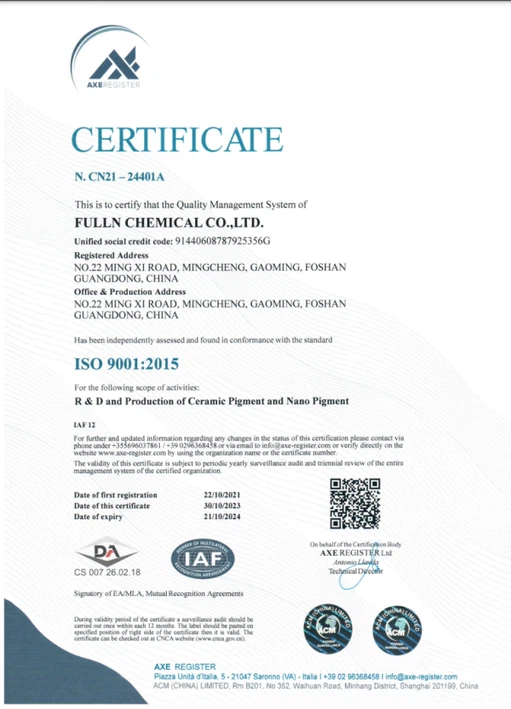
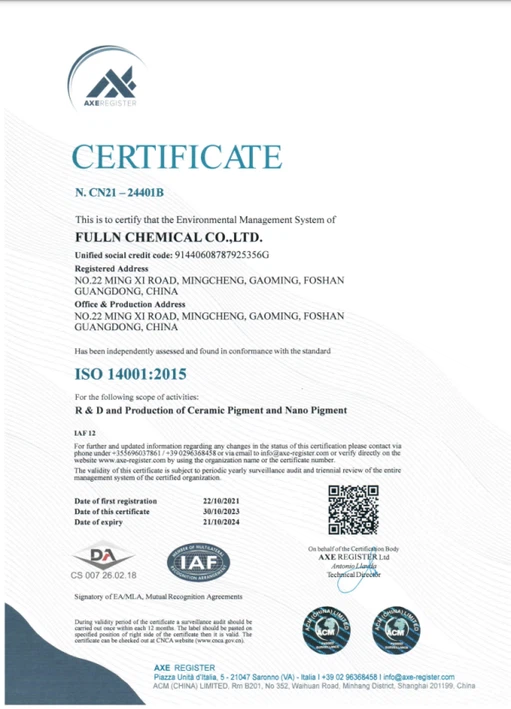
4.ISO Certified
What are benefits of FULLN Chemical Co., Ltd.?
enefits of FULLN Chemical Co., Ltd.:
"Discover excellence with FULLN Chemical Co., Ltd., a premier manufacturer of inorganic pigments. Our commitment to quality shines through in every pigment we produce, offering vibrant colors, durability, and versatility for a myriad of applications. With cutting-edge manufacturing processes and a dedication to environmental responsibility, FULLN ensures that our clients receive not just pigments, but a palette of benefits that elevate their products to new heights. Choose FULLN for innovation, reliability, and a spectrum of possibilities in inorganic pigments."
What is the delivery time of goods?
Delivery time: Within 10days
What is the term of payment?
TT, LC, DP
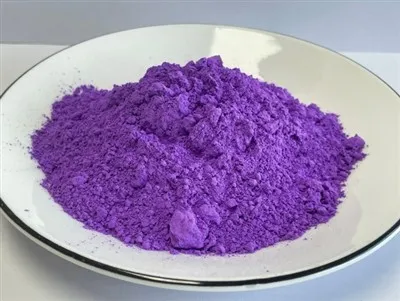




In the realm of glass printing, the choice of pigments plays a pivotal role in achieving vibrant and durable designs. Inorganic pigments, distinguished by their mineral origins, stand out as indispensable components in formulating high-quality glass inks. These pigments, derived from various metallic compounds, offer a spectrum of colors and unique properties that enhance the visual appeal and longevity of printed glass surfaces.
How many colors series of glass pigment are there?
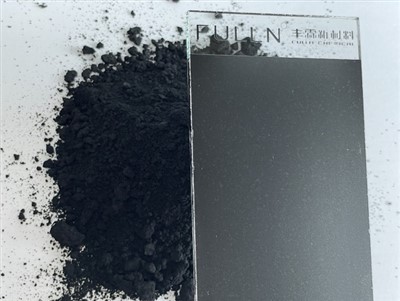
Good Covering Copper Chromite Black
Designed for longevity, Copper Chromite Black boasts exceptional chemical stability, ensuring that your glass prints maintain their striking appearance over time. Resistant to fading, weathering, and environmental factors, this inorganic pigment is a reliable choice for applications requiring both visual appeal and enduring quality.
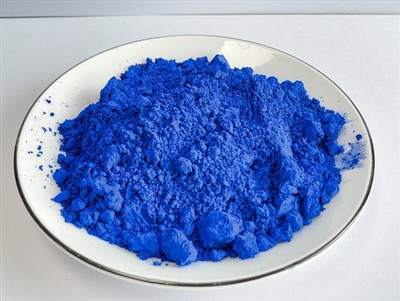
C.I. Pigment 28 Cobalt Blue For glass ink
Discover a world of refined aesthetics with Inorganic Pigment Cobalt Blue, where deep sophistication meets vivid brilliance. Specially curated for glass ink applications, this pigment introduces a timeless and luxurious shade of blue that transforms glass surfaces into captivating masterpieces. Unparalleled in its ability to withstand the test of time, Cobalt Blue ensures enduring vibrancy and resilience, making it the preferred choice for those seeking to infuse their glass designs with both beauty and durability. Elevate your glass printing projects with the enduring allure of Cobalt Blue, where every stroke tells a story of sophistication and lasting elegance.
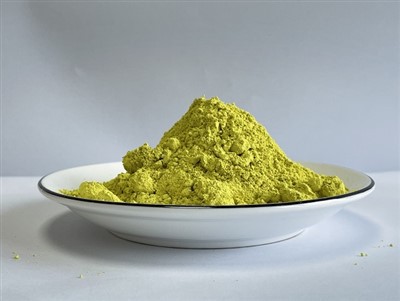
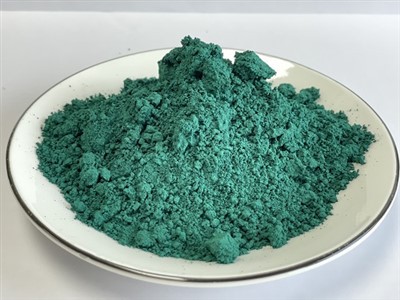
Malachite Green C.I. Pigment Green 26
Malachite Green (C.I. Pigment Green 26) is a synthetic, inorganic pigment that is known for its vibrant green color. It is commonly used in various applications, including glass ink formulations. The pigment derives its name from the mineral malachite, which often exhibits a similar green color.
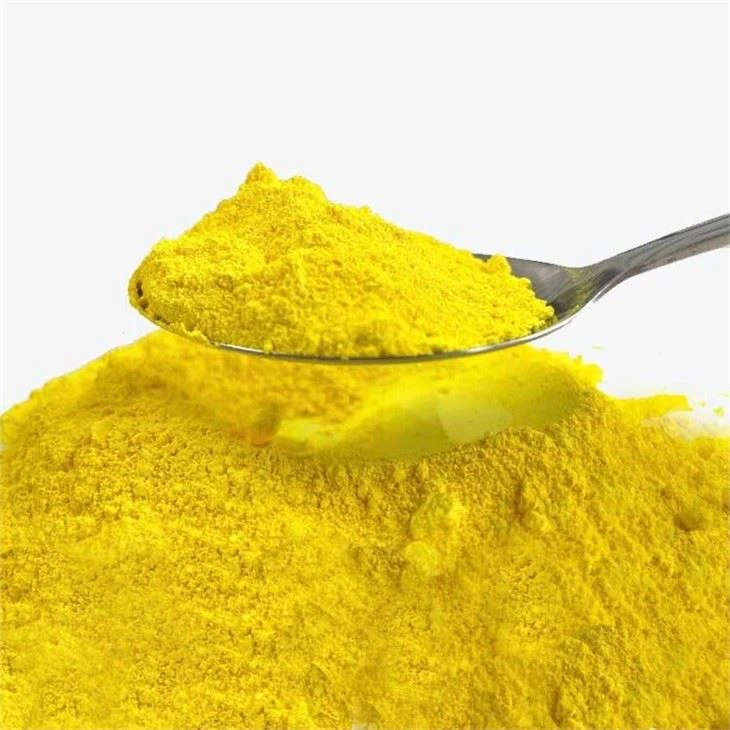
Titanium Chromium Yellow C.I. Pigment Yellow 24
Unleash the brilliance of Titanium Chromium Yellow (C.I. Pigment Yellow 24), a captivating inorganic pigment celebrated for its radiant yellow tones. Recognized by the Color Index as Pigment Yellow 24, this pigment combines the robust properties of titanium and chromium, ensuring exceptional lightfastness and durability. Whether employed in glass inks or artistic applications, Titanium Chromium Yellow delivers a spectrum of luminosity, infusing projects with a timeless and vivid glow. Elevate your creations with this versatile pigment, where every stroke embodies the enduring allure of sunny vibrancy.
C.I. Pigment Brown 33 with Good Covering for Glass Ink
C.I. Pigment Brown 33 is an inorganic pigment that falls within the category of browns in the Color Index (C.I.). This color is valued for its stability, durability, and resistance to fading. It is often employed to impart earthy, warm brown tones to various materials, contributing to both functional and decorative aspects in different industries. This pigment's versatility makes it a popular choice for achieving brown hues in a range of applications.
Glass Pigments Cd-Se Red
Cadmium Red, often referred to as Cd-Red, is an inorganic pigment that contains cadmium as its primary component. It is known for its vivid red color and is commonly used in various applications, including glass inks. Cadmium pigments offer intense and stable hues, making them valuable for coloring a wide range of materials.
Your Professional Glass Pigment’s Supplier
What are advantages of Glass Pigments?
Advantages of Glass Pigment:
environmental protection, non-toxic, solvent resistance, non-migration, easy dispersion,
What are benefits of Glass Pigments?
Benefits of Glass Pigment:
high temperature resistance, acid and alkali resistance.
What are features of Glass Pigments?
Features of Glass Pigment:
chemical inertia and chemical stability.
What is the Durability of Glass Pigments?
Durability: Glass pigments are designed to withstand harsh environmental conditions, including exposure to sunlight, moisture, and temperature variations. This durability ensures that the color remains vibrant and stable over time.
What is the Chemical Resistance of Glass Pigments?
Chemical Resistance: Glass pigments are often resistant to chemical reactions, ensuring that they do not degrade or change in color when exposed to various chemicals or cleaning agents. This feature makes them suitable for use in a variety of settings.
What is the Compatibility of Glass Pigments?
Compatibility with Various Techniques: Glass pigments can be applied using different techniques such as screen printing, digital printing, airbrushing, or hand painting. This versatility allows for flexibility in design and application, catering to the specific requirements of different glass products.
Heat Stability: Glass pigments can withstand high temperatures, making them suitable for applications like glass fusing and enameling without compromising color integrity.
Chemical Resistance: Many glass pigments are resistant to chemical reactions, making them suitable for use in various settings where exposure to chemicals or cleaning agents may occur.

Components of Glass Pigments
What is the Composition of Glass Pigments?
Inorganic Composition: Glass pigments are typically composed of inorganic materials, such as metal oxides or metallic salts. These compounds are chosen for their ability to withstand high temperatures during glass manufacturing.
Homogeneous Distribution
Homogeneous Distribution: During the glass melting process, the pigment particles are uniformly distributed throughout the glass matrix. This homogeneous distribution ensures consistent coloration without clumping or uneven coloring.
High-Temperature Stability
High-Temperature Stability: Glass pigments are formulated to withstand the high temperatures involved in glass manufacturing processes, such as melting and shaping. This stability ensures that the color remains vibrant and does not degrade during production.
Product Parameters
The particle size of glass pigment is D100≦5µm and mositure is ≦0.3%. This series of products have super fine particle size distribution, good dispersion and good covering. It can provide full color options for glass decoration. The glass pigments need to be used with the frit powder, whose fineness is less than 1250 mesh. The ratio of the pigment to the frit powder is (1~3)/(7~9). The pattern is printed on the glass surface through screen printing.
Production Process
Inspections:Various raw material inspections
Ingredients:Ingredients according to product formula
Calcined:Put the pigment in the sagger and calcined
Grind
Package
Certificate

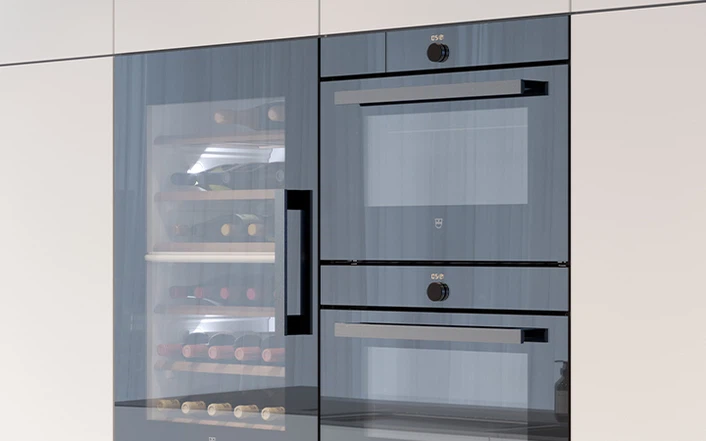
Application of Glass Pigments
How to Cooperate With us?
1
Select the suitable items and test the color in the lab
2
Offer the best prices for the suitable items.
3
Confirm the Order and PI.
4
Start to produce the cargo.
5
Transfer Payment
6
Contact the forwarder and shipment.
FAQ
Q: What are the characteristics of inorganic pigments?
Q: What is an inorganic pigment?
Q: How do inorganic pigment get their color?
Q: What is the difference between pigments used in exterior wall paint and interior wall paint?
Q: What is the hiding power of pigments?
Q: What’s your shipping service?
Q: What is your MOQ?
Q: What factors are related to the heat resistance of pigments?
Q: How can I get the sample and how long will it take?
Q: Do you have quality control system?
Find professional glass pigments/colors manufacturers and suppliers in China here. We warmly welcome you to wholesale bulk high quality glass pigments/colors in stock here from our factory. Also, custom service is available.
colour of glass, Glass Colors Peacock Blue, glass and ceramics